04 · Services
Digital Transformation
A practical shift from the way the work happens now to a way the company can run, measure, and hand to the next person.
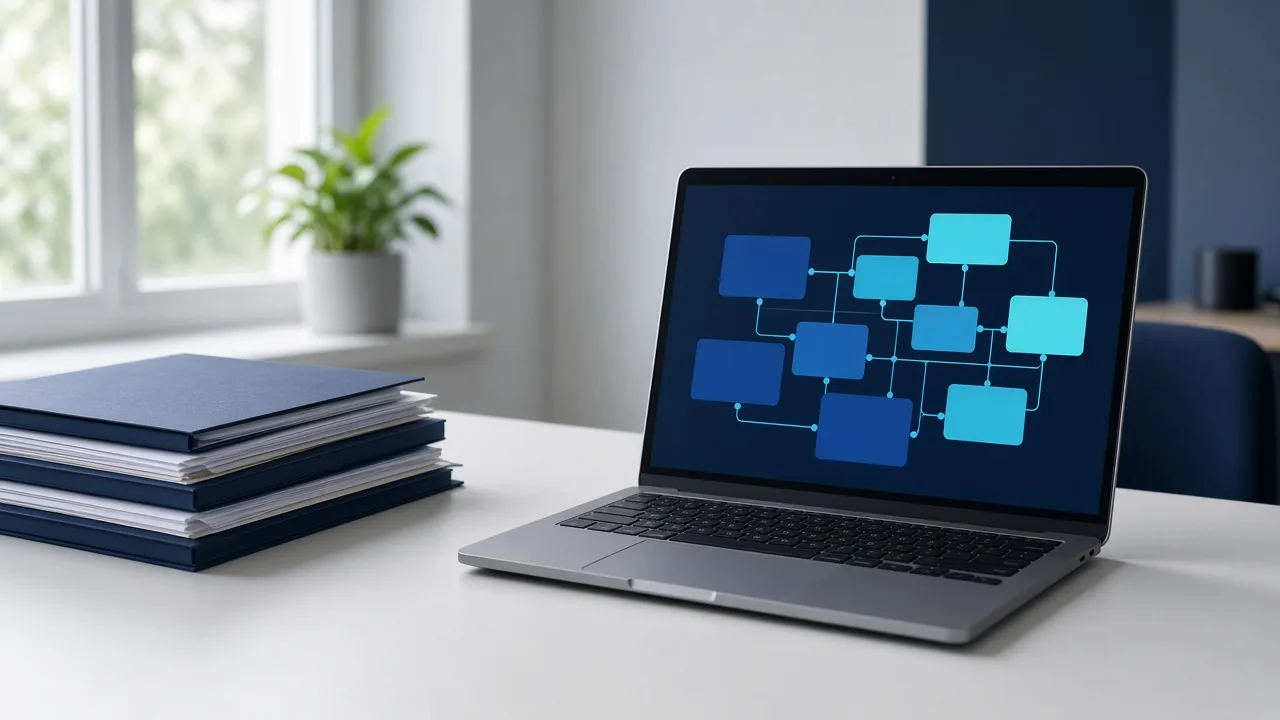
Digital transformation here is not a new logo on an old process. It is the moment a piece of the business stops living in a folder, a chat, or one person's memory, and starts moving through a system the whole team can see.
We begin with how the work actually travels. An order, a customer, a report, an approval. We follow it from the first request to the last handoff, and we mark where it waits, where it is retyped, and where it disappears. Then we choose one path to change first, the one that costs the company the most time or the most mistakes.
The new path is built with the people who do the job, not around them. Software carries the steps that should not depend on memory. The habits that have to change are named out loud. You leave with that path running, a record of what changed, and someone inside the company who can keep the new way going when the next request arrives.
How we do it
Four moves, in this order.
01
Follow the work
We trace one real job from the first request to the last handoff, and write down where it waits or gets retyped.
02
Choose the first path
Not everything changes at once. We pick the path that costs the most time or the most mistakes, and leave the rest for later.
03
Rebuild it
The steps move into a system. What a person must still decide stays with a person. What was only copying does not.
04
Hand it over
The team runs the new path on live work. We stay until someone inside the company can keep it going.
What you leave with
The work, in your hands.
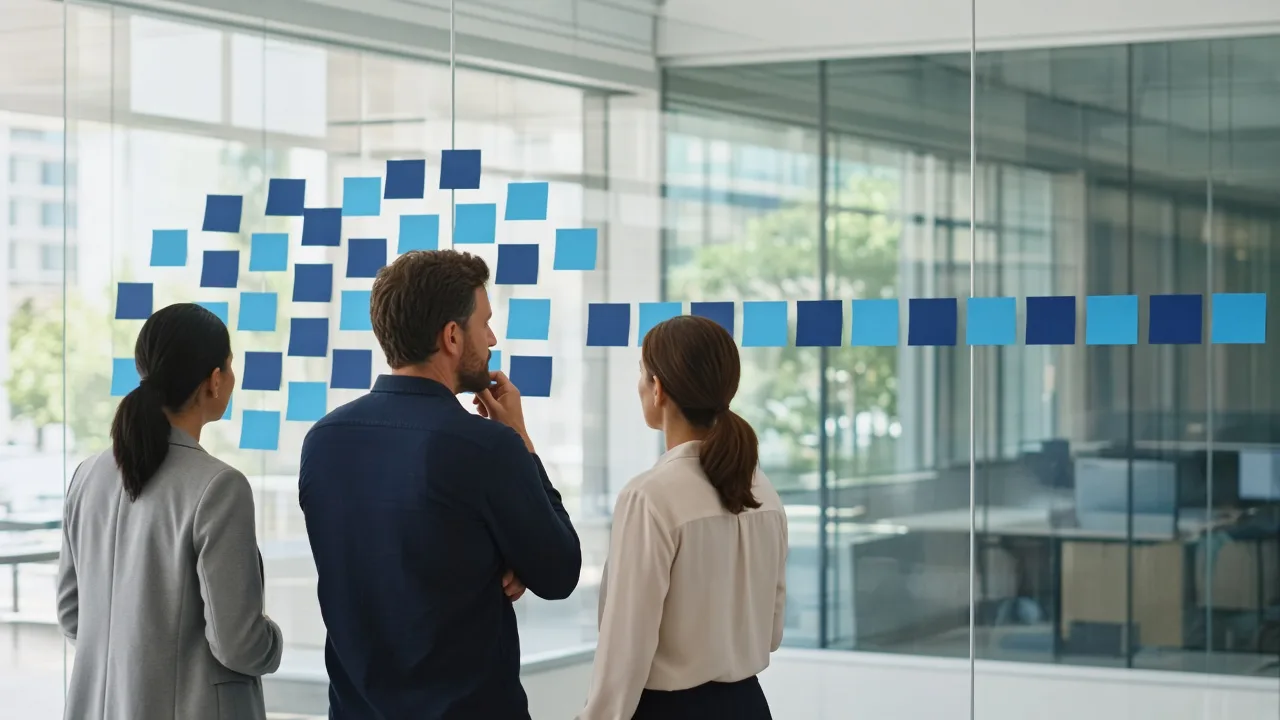
The old scatter, set into an order the company can follow.
- A clear picture of how the chosen work moves today
- One path rebuilt so it no longer depends on a folder or a memory
- A system the team uses for that path
- An owner inside the company for the new way of working